- On the hunt for dark matter
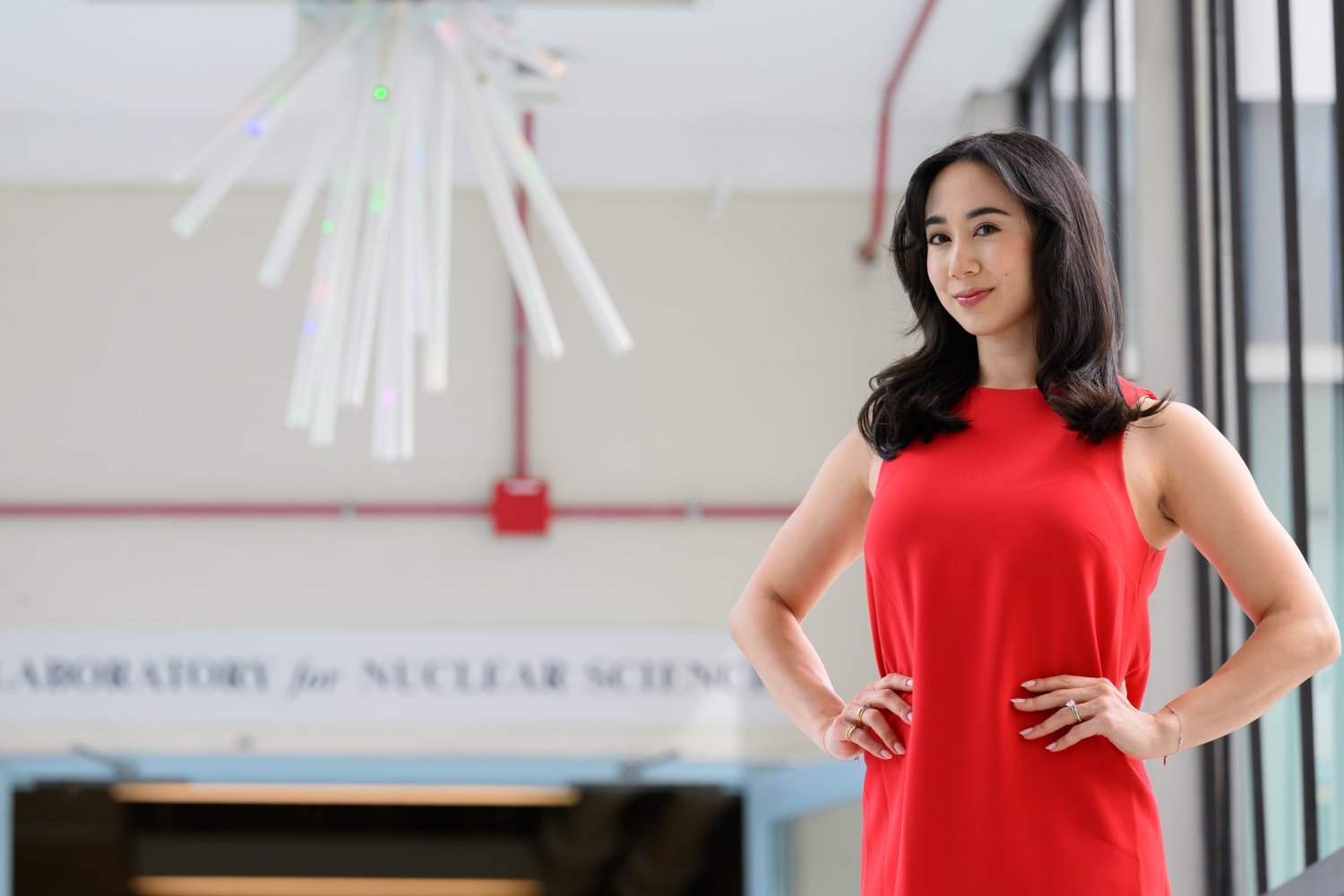 by Sydney Campbell | Division of Graduate and Undergraduate Education on August 11, 2026 at 4:00 am
From Broadway to MIT’s Laboratory for Nuclear Science, PhD student Jessica Fry doesn’t do anything halfway. Now she’s hunting for the universe’s most elusive particle.
- Three from MIT awarded 2024 Guggenheim Fellowships
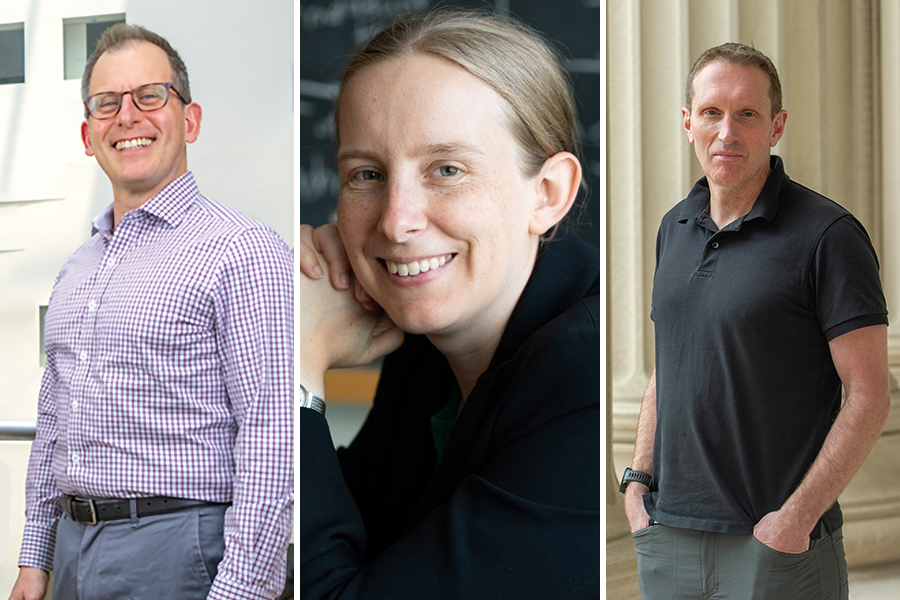 by Sarah Costello | School of Science on April 26, 2024 at 8:40 pm
MIT professors Roger Levy, Tracy Slatyer, and Martin Wainwright appointed to the 2024 class of “trail-blazing fellows.”
- Study: Stars travel more slowly at Milky Way’s edge
 by Jennifer Chu | MIT News on January 26, 2024 at 5:00 am
The findings suggest our galaxy’s core may contain less dark matter than previously estimated.
- Everything, everywhere all at once
 by Sophie Hartley | School of Science on November 29, 2023 at 4:00 pm
Cosmologist and MLK Scholar Morgane König uses gravitational waves to study the universe’s origins, inflation, and present trajectory.
- Understanding our place in the universe
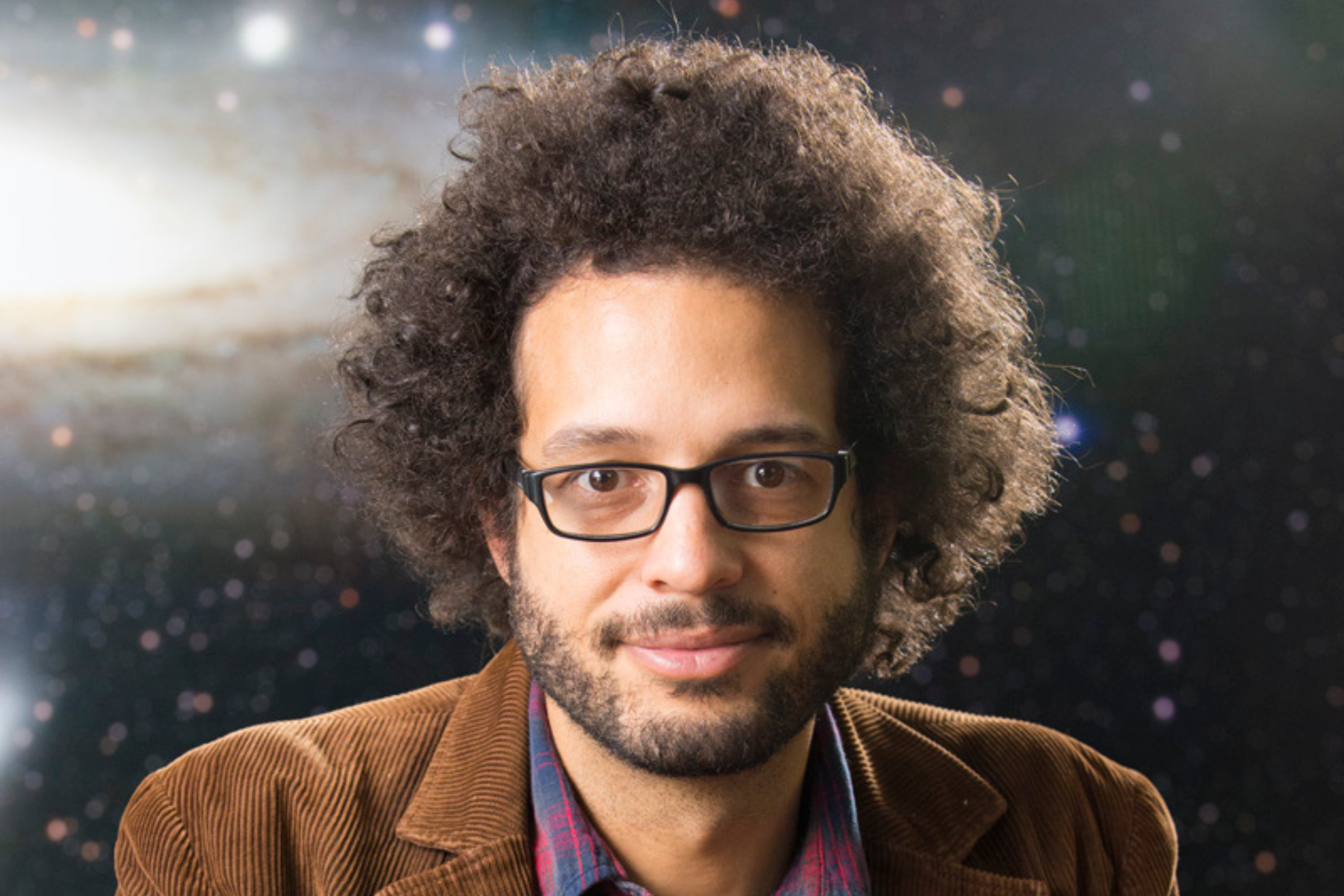 by Phie Jacobs | School of Science on April 12, 2023 at 8:35 pm
Martin Luther King Jr. Scholar Brian Nord trains machines to explore the cosmos and fights for equity in research.
- Seven with MIT ties receive awards from the American Physical Society
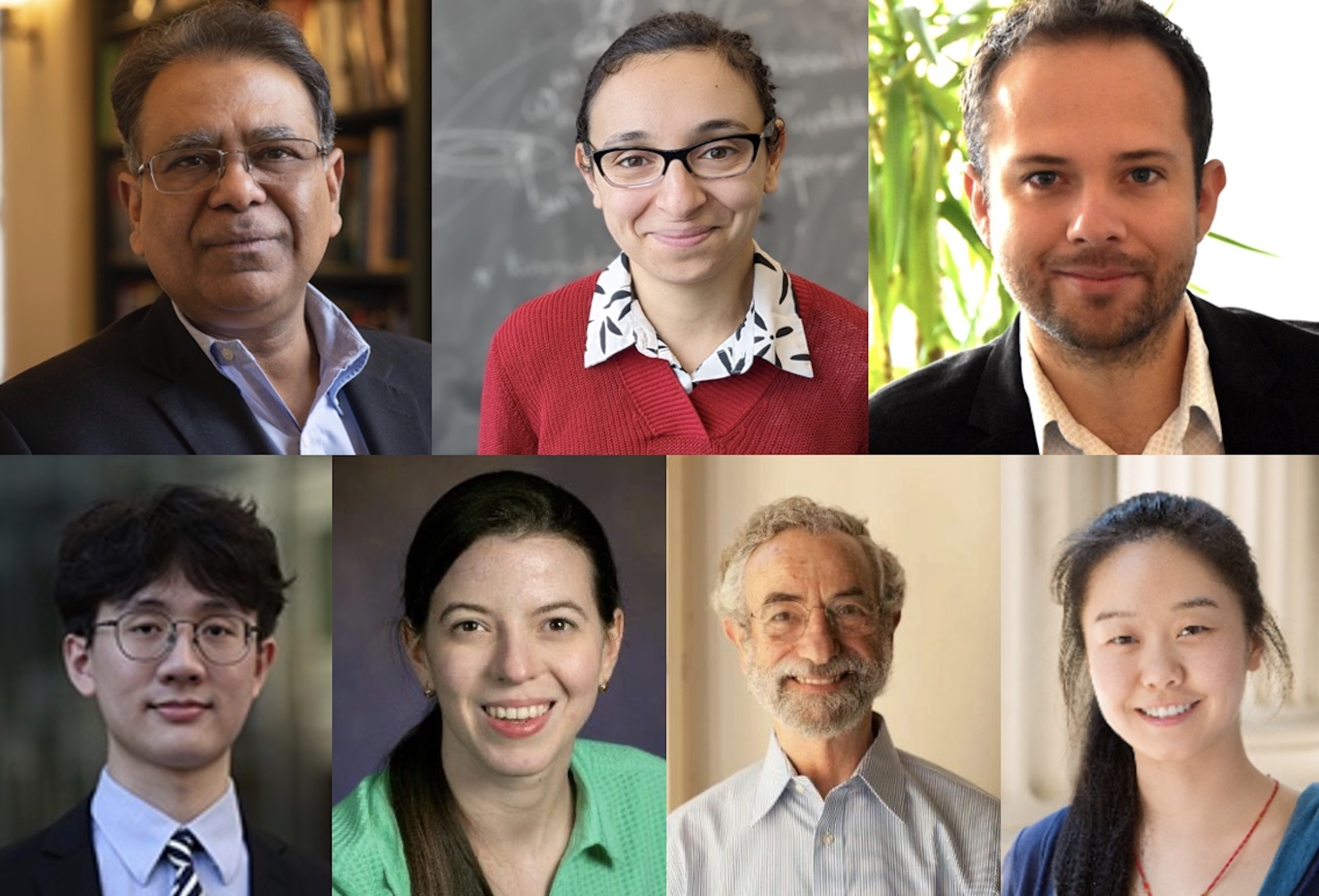 by Sandi Miller | Department of Physics on October 26, 2022 at 6:10 pm
Professors Arup Chakraborty, Lina Necib, and Ronald Fernando Garcia Ruiz as well as Yuan Cao SM ’16, PhD ’20; Alina Kononov ’14; Elliott H. Lieb ’53; Haocun Yu PhD ’20; and others honored for contributions to physics.
- Physicists harness quantum “time reversal” to measure vibrating atoms
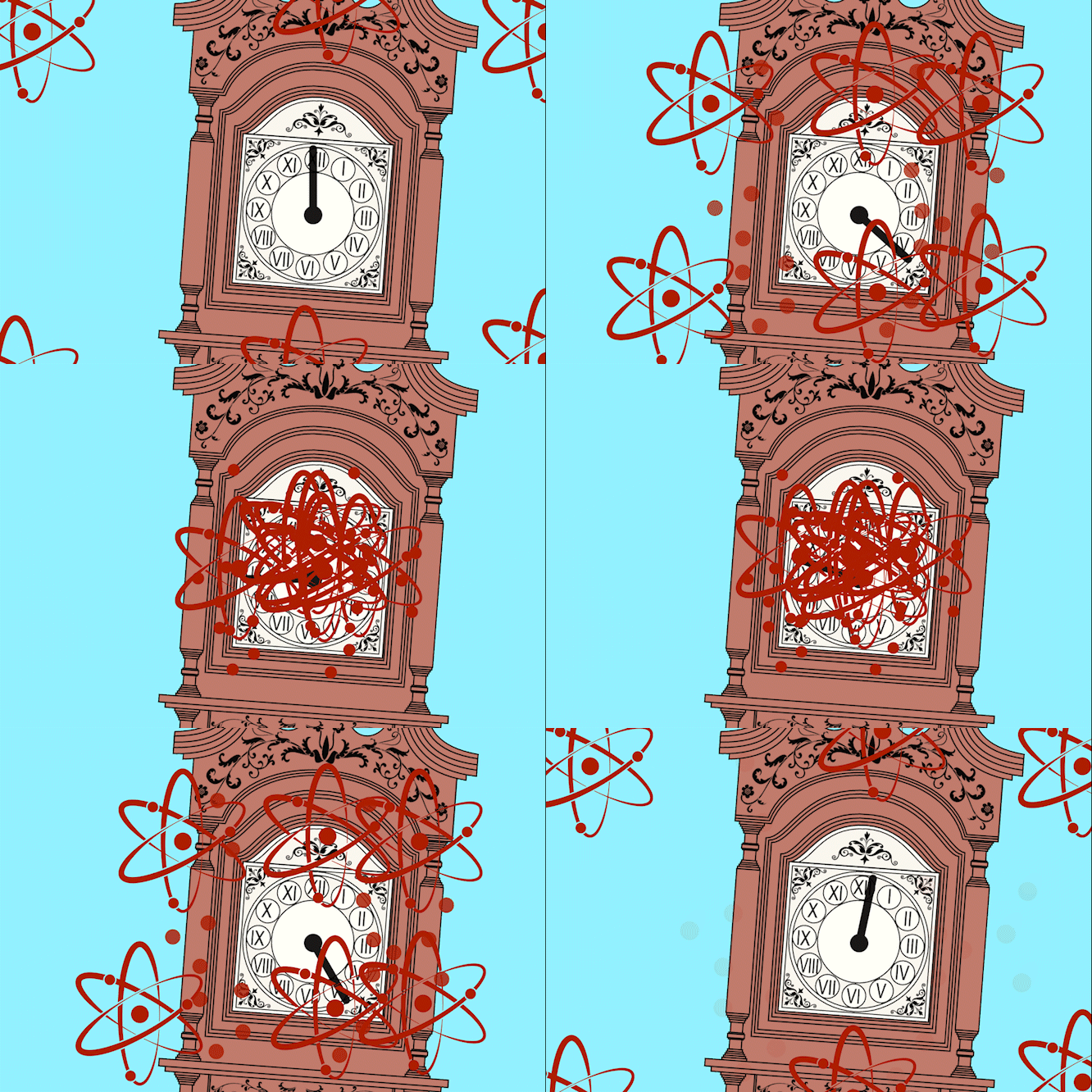 by Jennifer Chu | MIT News Office on July 14, 2022 at 2:00 pm
A new technique could improve the precision of atomic clocks and of quantum sensors for detecting dark matter or gravitational waves.
- Mark Vogelsberger: Simulating galaxy formation for clues to the universe
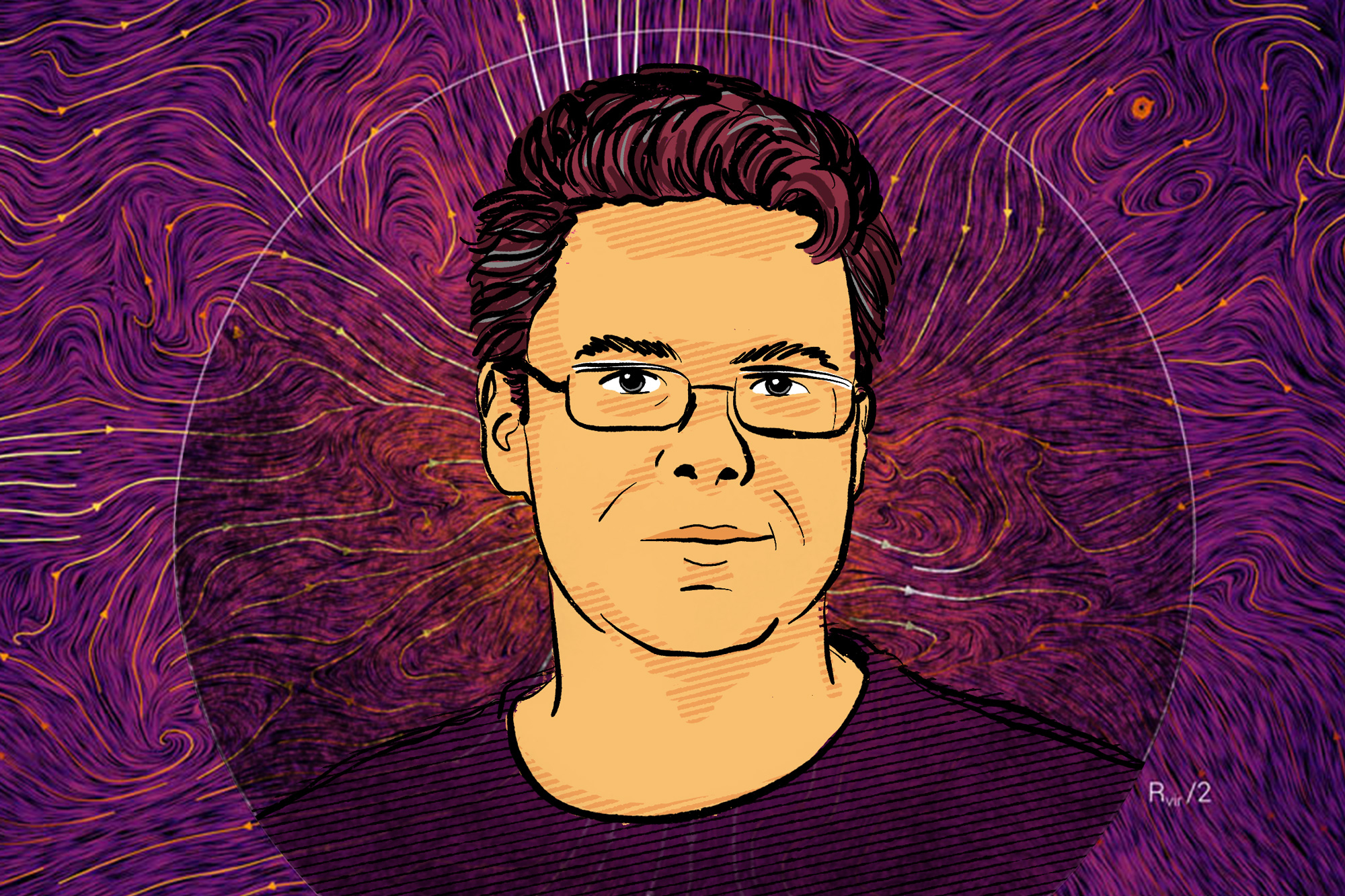 by Jennifer Chu | MIT News Office on November 3, 2021 at 4:00 am
“In astrophysics, we have only this one universe which we can observe,” the physics professor says. “With a computer, we can create different universes, which we can check.”
- Six from MIT named American Physical Society Fellows for 2021
 by Leah Campbell | School of Science on October 18, 2021 at 4:40 pm
APS names Bourouiba, Grego, Liu, Peacock, Winslow, and Yildiz as MIT’s newest fellows for their contributions to physics.
- New clues to why there’s so little antimatter in the universe
 by Jennifer Chu | MIT News Office on July 7, 2021 at 4:00 am
Radioactive molecules are sensitive to subtle nuclear phenomena and might help physicists probe the violation of the most fundamental symmetries of nature.
- Fast-spinning black holes narrow the search for dark matter particles
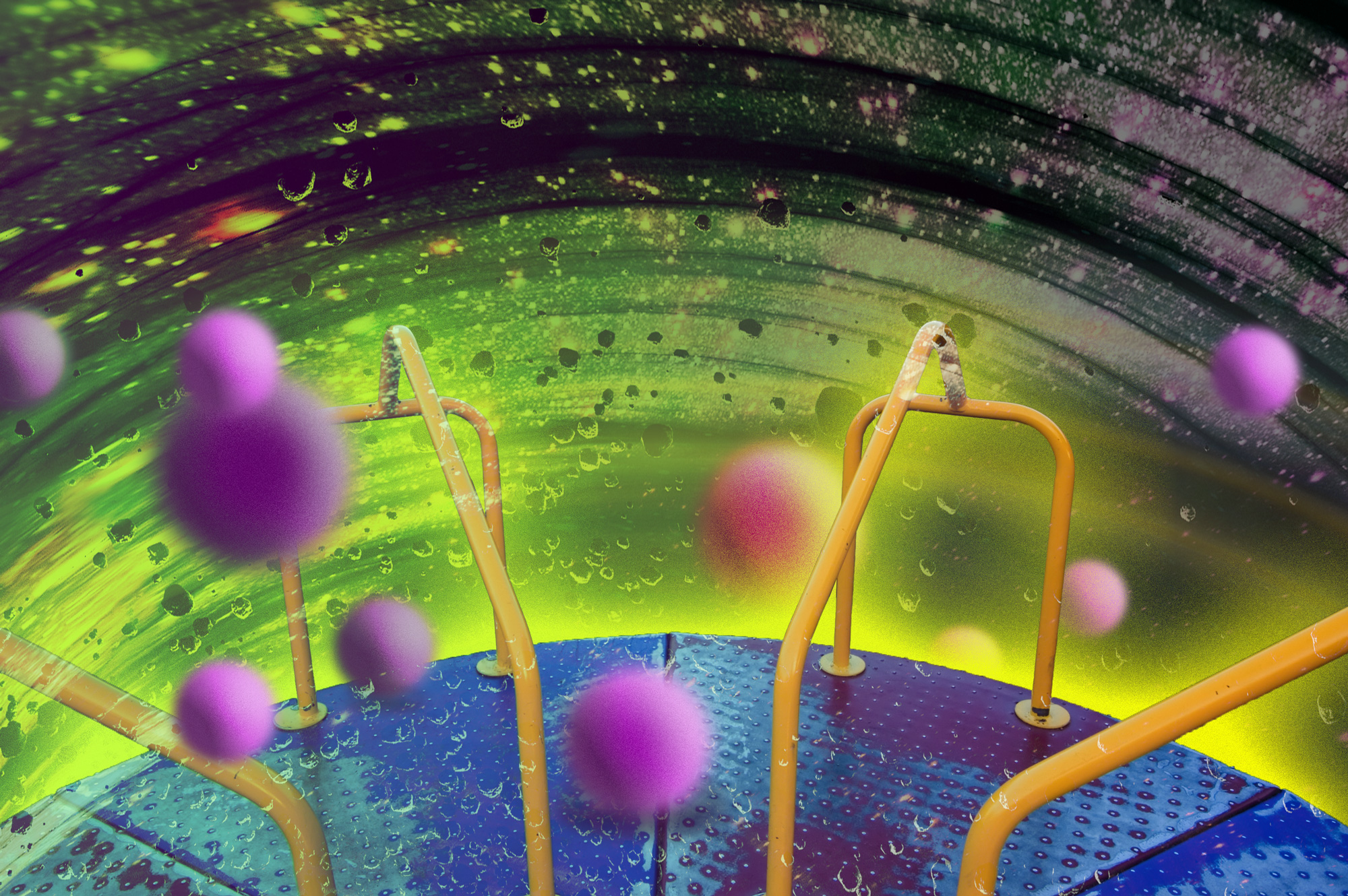 by Jennifer Chu | MIT News Office on April 14, 2021 at 4:00 am
Certain ultralight bosons would be expected to put the brakes on black holes, but new results show no such slowdown.
- Astronomers image magnetic fields at the edge of M87’s black hole
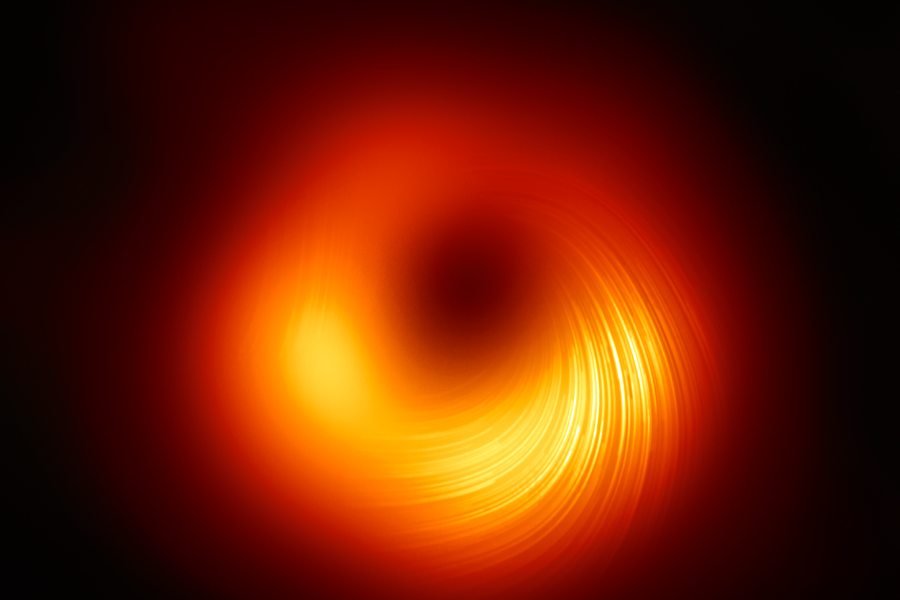 by MIT Haystack Observatory on March 24, 2021 at 3:55 pm
New image of M87 reveals how it looks in polarized light.
- Measuring the invisible
 by Jennifer Chu | MIT News Office on March 24, 2021 at 4:00 am
Particle physicist Lindley Winslow seeks the universe’s smallest particles for answers to its biggest questions.
- Astronomers detect extended dark matter halo around ancient dwarf galaxy
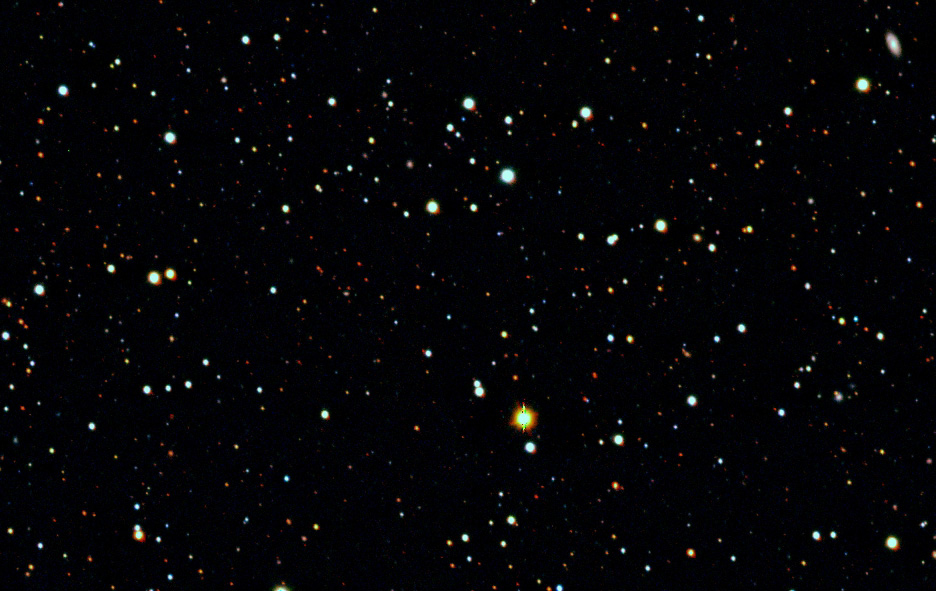 by Jennifer Chu | MIT News Office on February 1, 2021 at 4:00 pm
Findings suggest the first galaxies in the universe were more massive than previously thought.
- Search for axions from nearby star Betelgeuse comes up empty
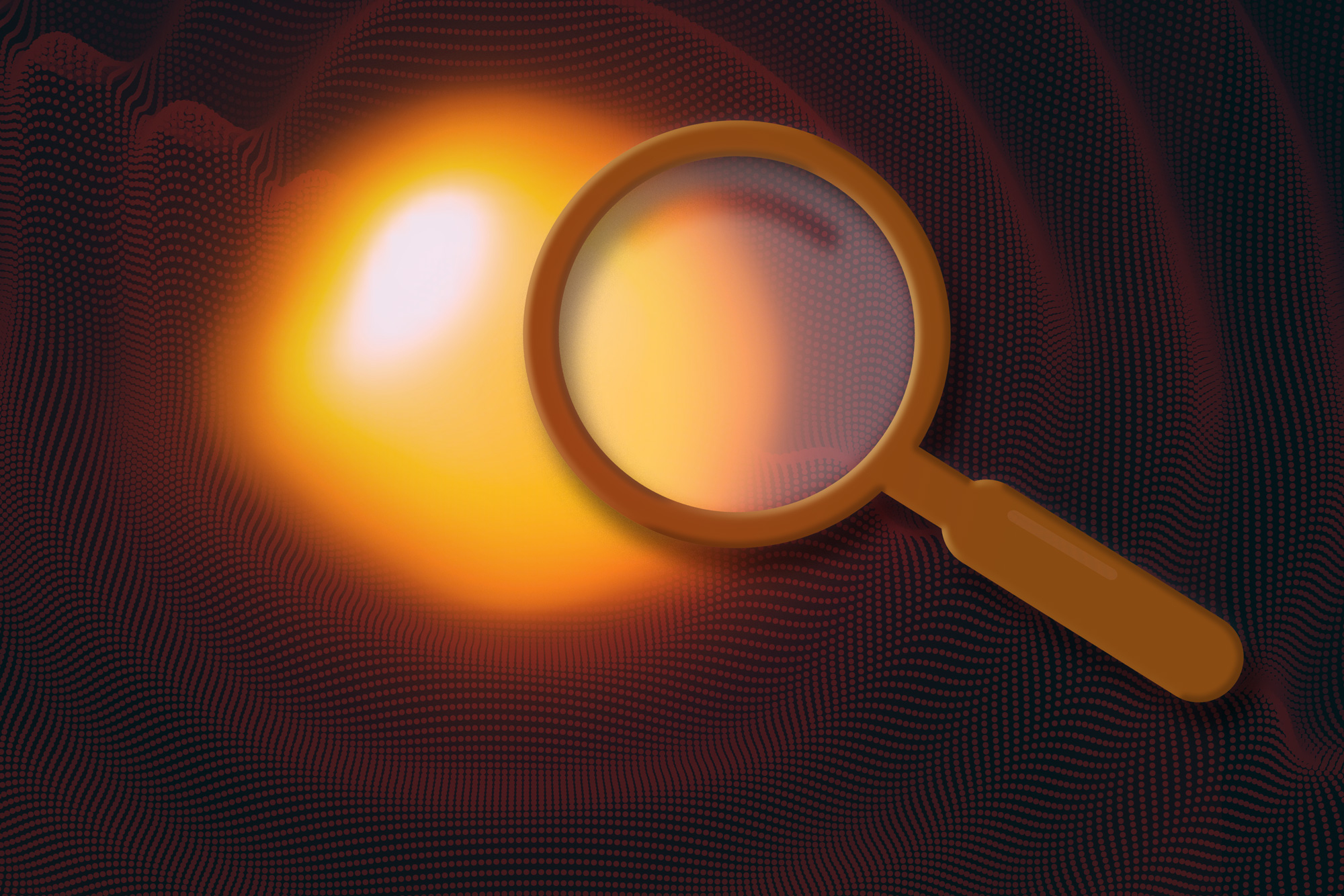 by Jennifer Chu | MIT News Office on January 21, 2021 at 5:00 am
Results significantly narrow the range of possible places to find the hypothetical dark matter particles.
Copyright: Sci2Fi, Inc. All Rights Reserved